
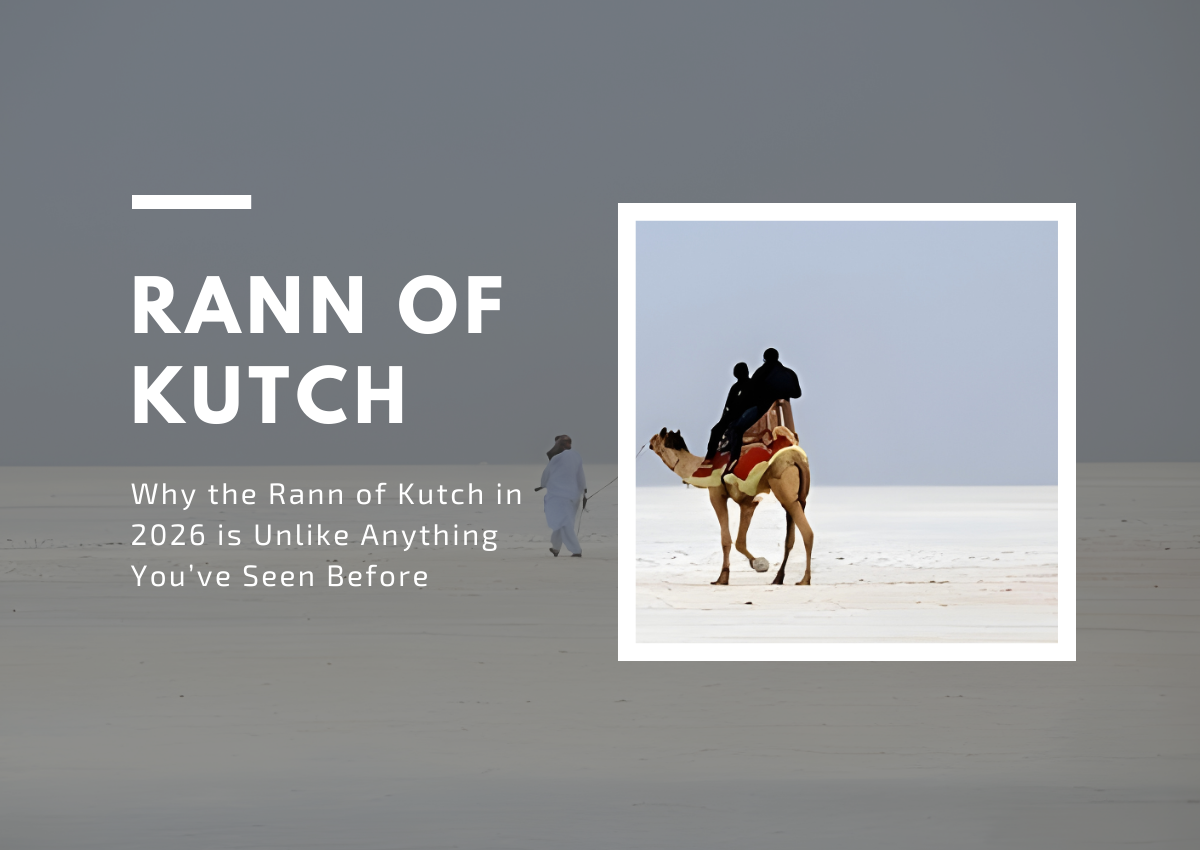
There is a specific moment in the Rann of Kutch—usually around 5:45 PM—where the horizon simply stops existing. The sky turns a bruised shade of violet, the salt floor reflects it back, and for a few seconds, you feel like you’re standing in the center of a giant, glowing marble.
If you’ve been waiting for the “right time” to visit this corner of Gujarat, mark your calendars. 2026 isn’t just another tourism cycle; it’s shaping up to be a landmark year for the Great Rann.
From the evolution of the Rann Utsav to the rise of “slow travel” in the Banni grasslands, here is what you can expect from a journey to Kutch in 2026.
1. The “Smart” Rann: Heritage Meets High-Tech
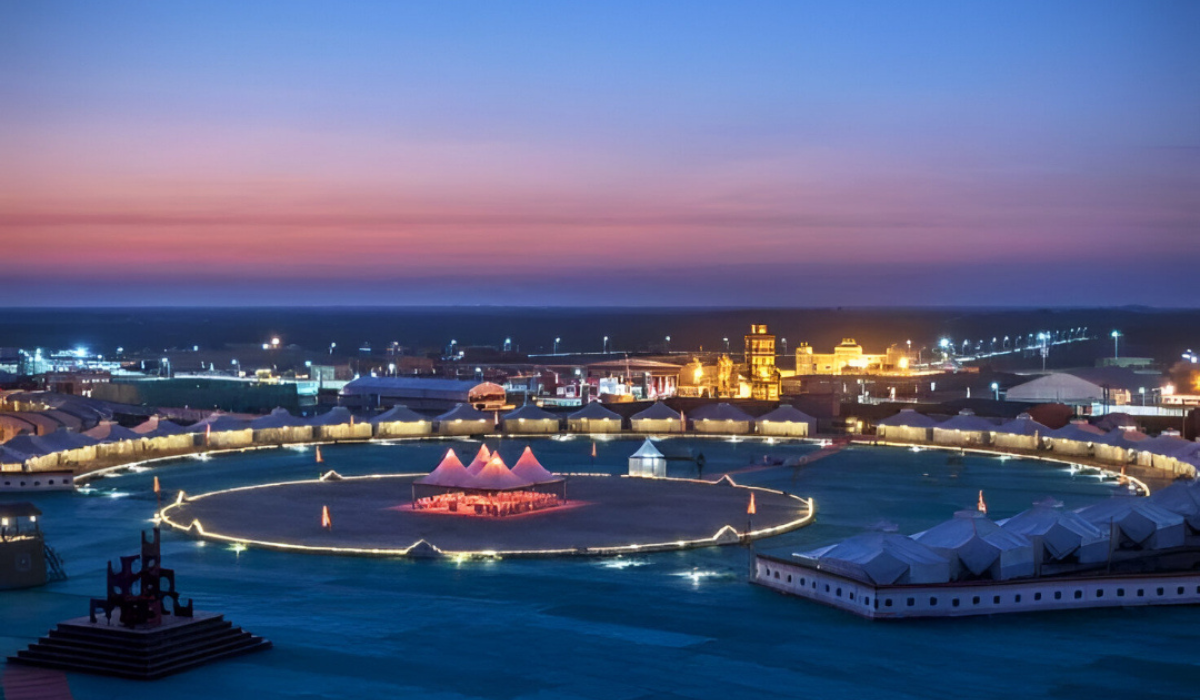
By 2026, the infrastructure leading into the salt desert has seen a significant facelift. But don’t worry—the rugged soul of Kutch remains intact. What’s changed is the access.
We’re seeing a shift toward more seamless travel. Expect better road connectivity from Bhuj, expanded flight options into the region, and a “Smart Tent City” experience that prioritizes sustainability. Solar-powered luxury pods and zero-waste hospitality initiatives are becoming the standard, allowing you to enjoy the wilderness without leaving a footprint.
2. Beyond the Salt: The Rise of the ‘Village Trail’
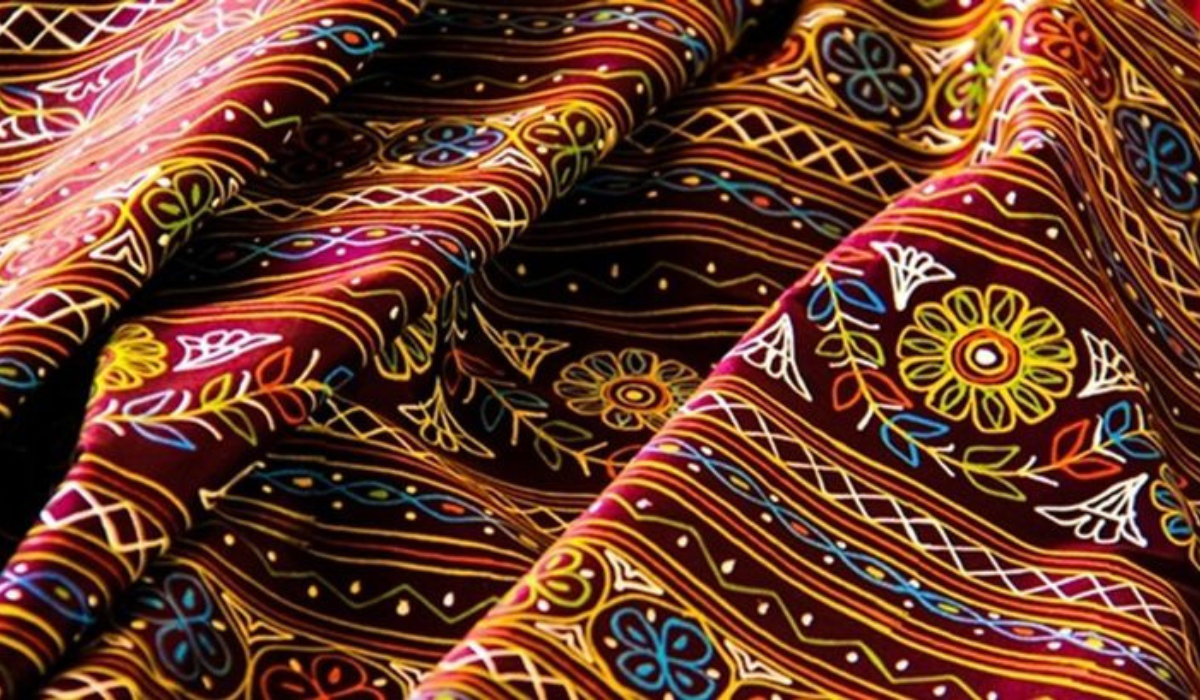
While the White Desert is the headline act, 2026 is the year of the “Deep Kutch” experience. Travelers are no longer just snapping a photo on the salt and leaving. They are heading into the Bhungas (traditional mud houses) of Nirona and Hodka.
In 2026, expect more immersive, hands-on workshops. We aren’t just talking about watching someone paint; we’re talking about sitting down with Rogan art masters or copper bell makers and learning the rhythmic patience required for these centuries-old crafts. It’s about moving from “tourist” to “student.”
3. The 2026 Lunar Calendar: A Photographer’s Dream
If you’re planning your 2026 trip, you’re likely chasing the Full Moon. There is a reason for the hype: under a full moon, the salt crystals act as a billion tiny mirrors.
For the 2026 season, the winter months offer particularly crisp nights with low humidity, meaning the visibility for astrophotography will be at an all-time high. Whether you’re a pro with a DSLR or just someone with a smartphone and a sense of wonder, the 2026 lunar cycles are perfectly positioned for peak viewing during the coolest months of December and January.
4. Dholavira: The Ancient Future
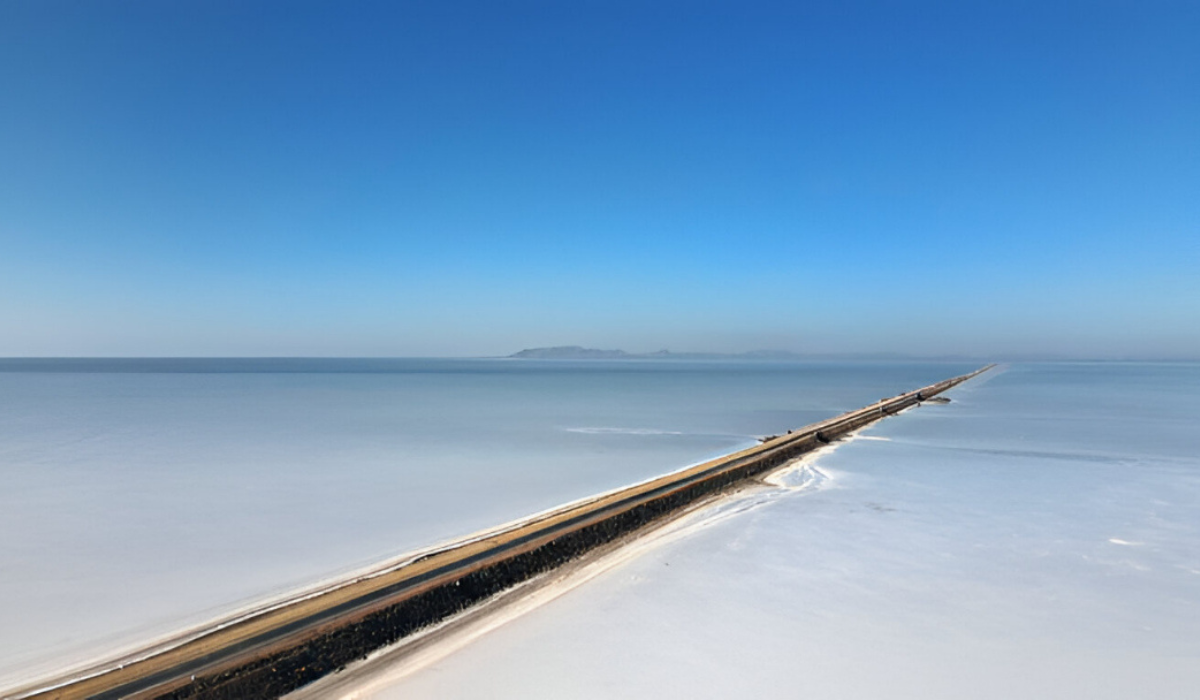
Since its UNESCO World Heritage designation, Dholavira has transformed. The “Road to Heaven”—the stunning highway that cuts through the salt lake to reach the Harappan ruins—has become one of the most iconic drives in Asia.
Expect a more comprehensive tour at the ruins. With better-guided tours that explain the sophisticated water management and urban planning of this 5,000-year-old city, it is a must-visit for anyone who wants to see where Indian civilization truly began.
5. Slow Food and Kutchi Flavors
Kutch has a thriving culinary scene. In 2026, we are seeing a return to traditional millets and “slow food” cooking. Forget the generic buffets; expect authentic Bajra no Rotlo with garlic chutney, fresh Mawa, and regional delicacies that are being celebrated by foodies globally. The focus is shifting toward farm-to-table dining right in the heart of the desert.
Why Book with Kutch Tour Guide in 2026?
The Rann of Kutch is vast, and its beauty is often hidden in the details—the secret spots where the salt is thickest, the specific artisan who still uses natural vegetable dyes, or the perfect timing to avoid the crowds at the White Desert sunset point.
At Kutch Tour Guide, we don’t just book rooms; we curate the silence, the colors, and the culture of our home. As 2026 approaches, the demand for authentic, well-managed travel is higher than ever.
Are you ready to walk on the moon without leaving Earth?
Explore our 2026 Rann Utsav Packages here and let’s start planning your journey into the white.


 Our Affiliate Websites :